Iron Feather Outfitters
Duck Hunts
Mallards, pintail, wigeon, and teal over flooded timber and field spreads — worked the way this valley's ducks actually decoy.
Overview
Hunting ducks the way the valley actually holds them
Treasure Valley puddle ducks move between flooded ag fields, backwater sloughs, and reservoir edges depending on weather and pressure. We scout ahead of each hunt and move with the birds rather than sitting the same spread every morning regardless of what's working.
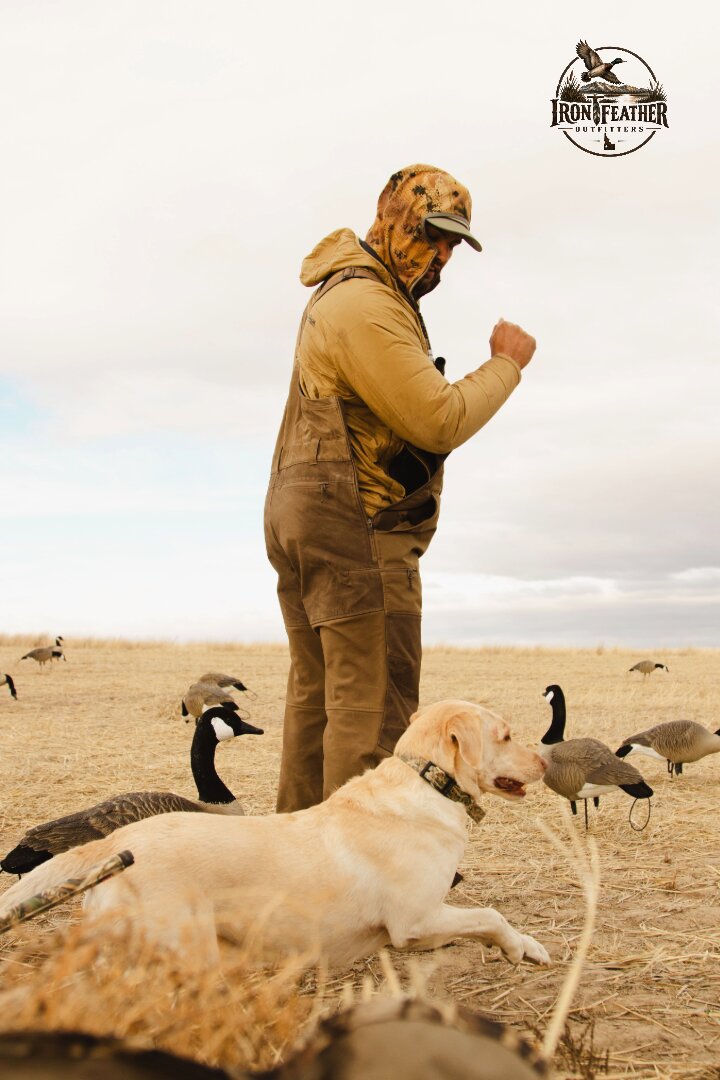
Most mornings run out of layout blinds on flooded fields or A-frame blinds tucked into timber and brush, depending on where the ducks are sitting that week. Full-body and floater decoy spreads are matched to the water and the species actually working it.
What's included
- Pre-dawn meet and full guided hunt
- Decoy spread, calling, and blind setup
- Bring your own shotgun and non-toxic shot
- Bird cleaning after the hunt
- Idaho hunting license guidance (you purchase your own)
How it runs
From meet-up to cleaned birds
Scout
We check fields and water in the days before your hunt, not just the morning of.
Hunt
Pre-dawn meet, blind setup, and a guided morning hunt over a matched decoy spread.
Clean
Birds cleaned and bagged before you head out — ready for the cooler.
Questions
Frequently Asked
Do I need my own gear?
Bring your shotgun, your own non-toxic shot, waders, and camo layered for cold, wet mornings. We provide decoys, calling, blinds, and guiding. Lead shot is illegal for waterfowl and is not allowed in the blind.
What species will we actually see?
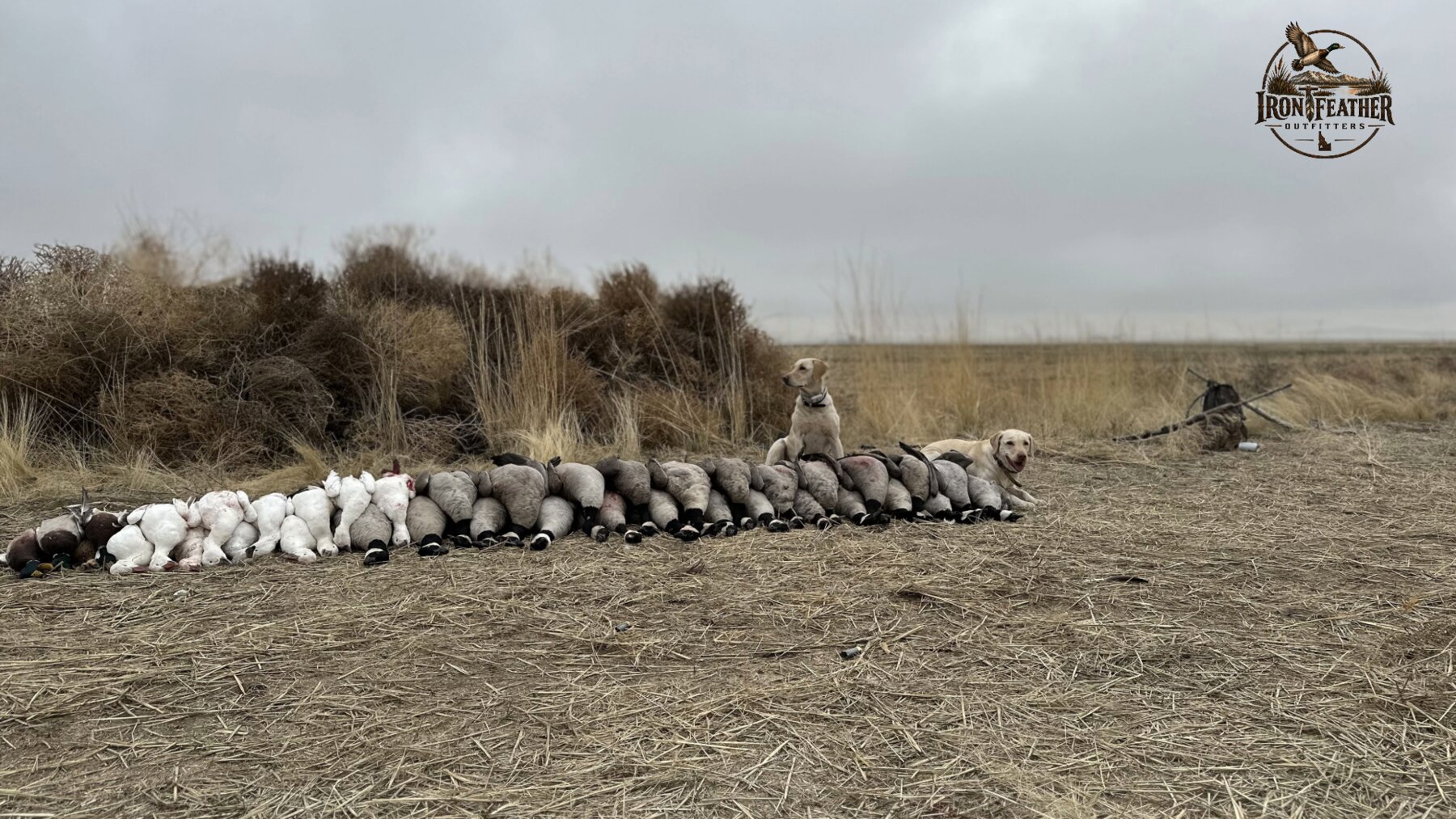
Mallards make up most bags here, with pintail, wigeon, gadwall, and teal mixed in depending on the week. Migration timing shifts year to year, so we'll give you an honest read when you book, not a guaranteed species list.
How many hunters per group?
Most blinds run 4–6 hunters comfortably. Larger groups can be split across multiple blinds on the same property — ask when booking.
Related
You Might Also Want
More from the blind
Recent Duck Hunts